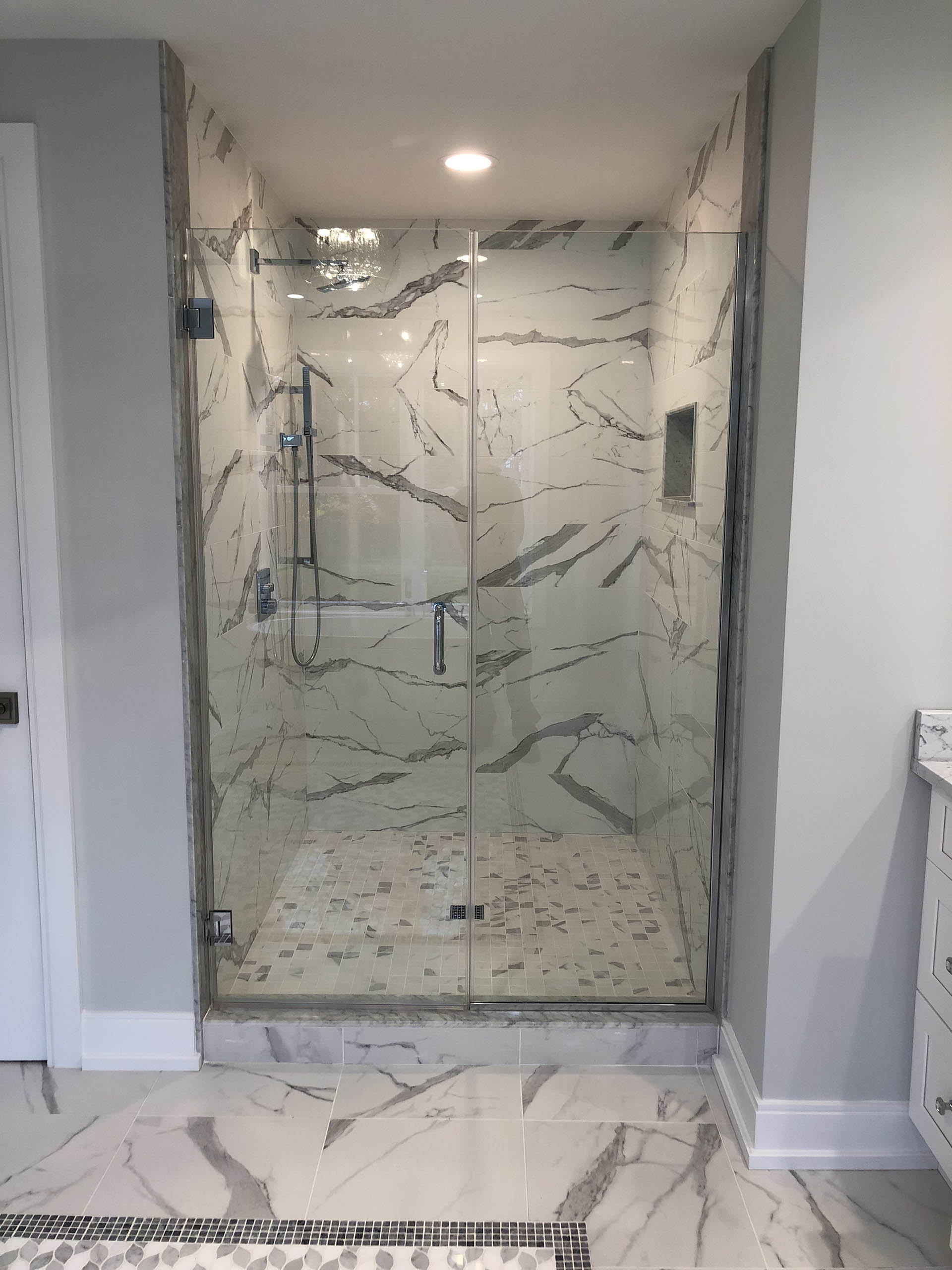
Porcelain & ceramic
From a restrained field tile to a more expressive format, scale and layout shape the result. Share the product details and intended application so the installation requirements can be reviewed.

Bring the material you have chosen, or bring a reference for the look you want. The right conversation starts with how and where the tile will be used.
From a restrained field tile to a more expressive format, scale and layout shape the result. Share the product details and intended application so the installation requirements can be reviewed.
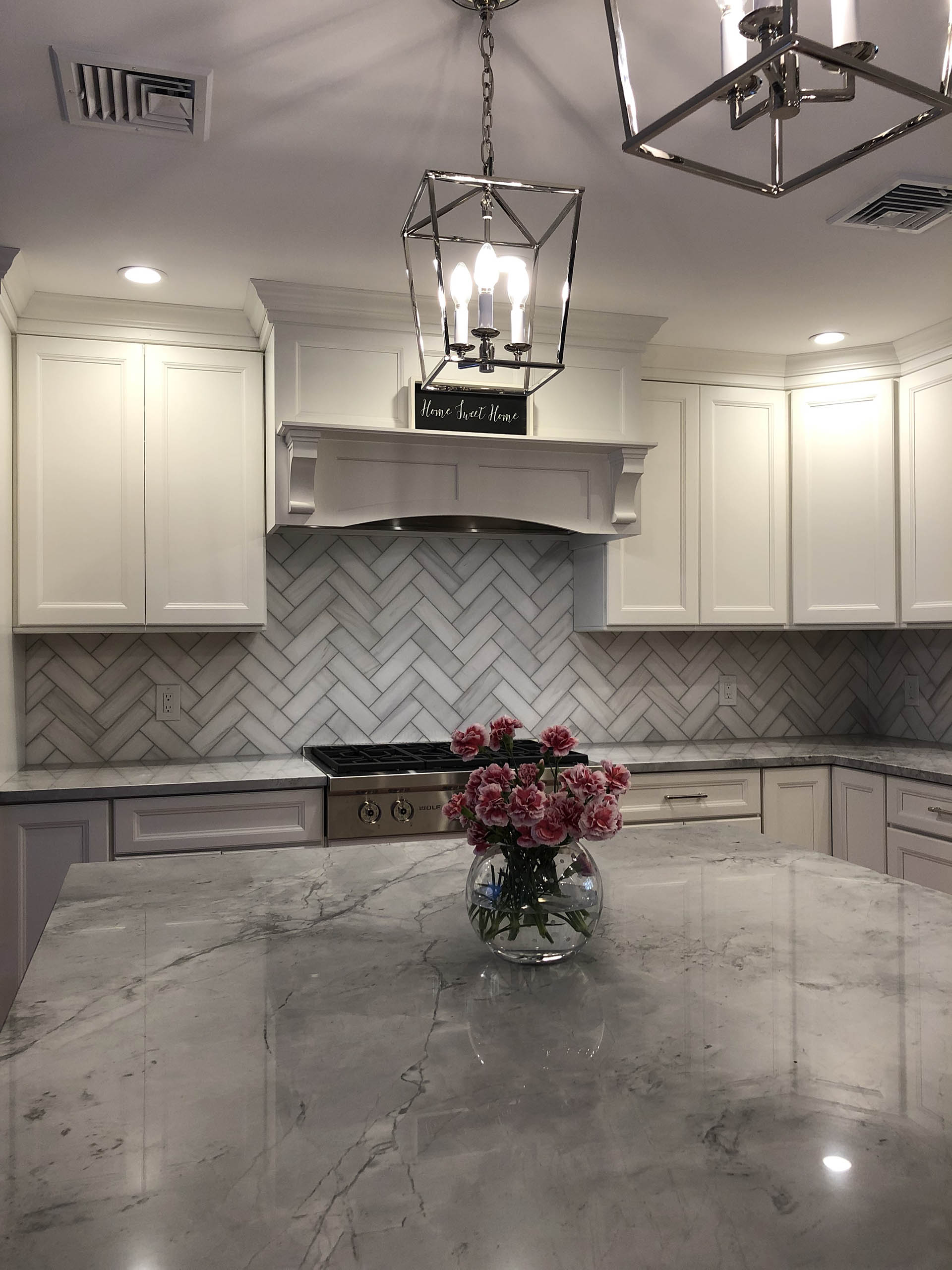
Pattern changes the rhythm of a room. Think about the relationship to borders, corners, outlets, and fixtures when discussing a decorative selection.
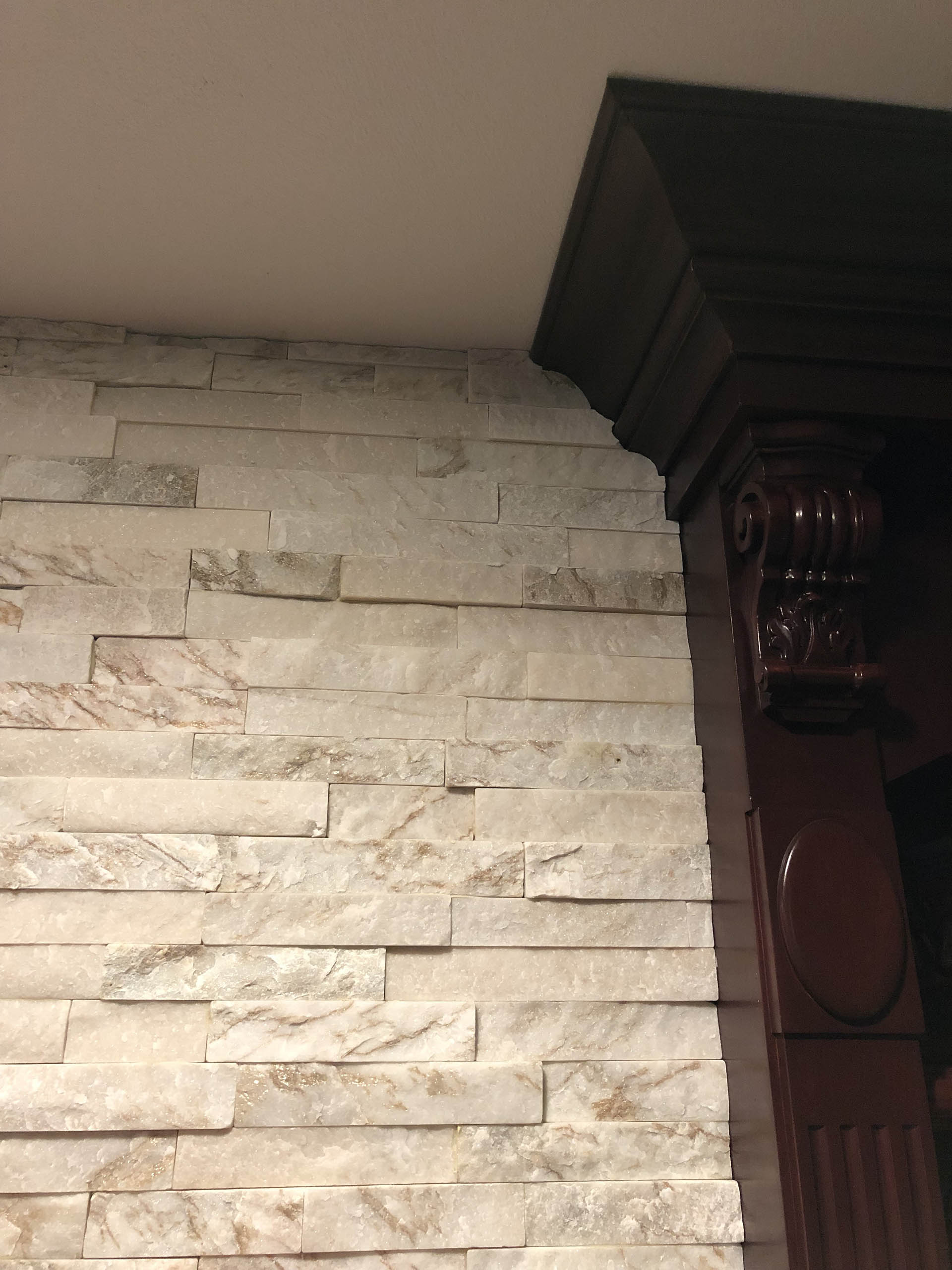
Precision installs full marble slabs. Share the slab specifications, intended use, drawings, and fabrication status so layout, access, and installation responsibilities can be reviewed.
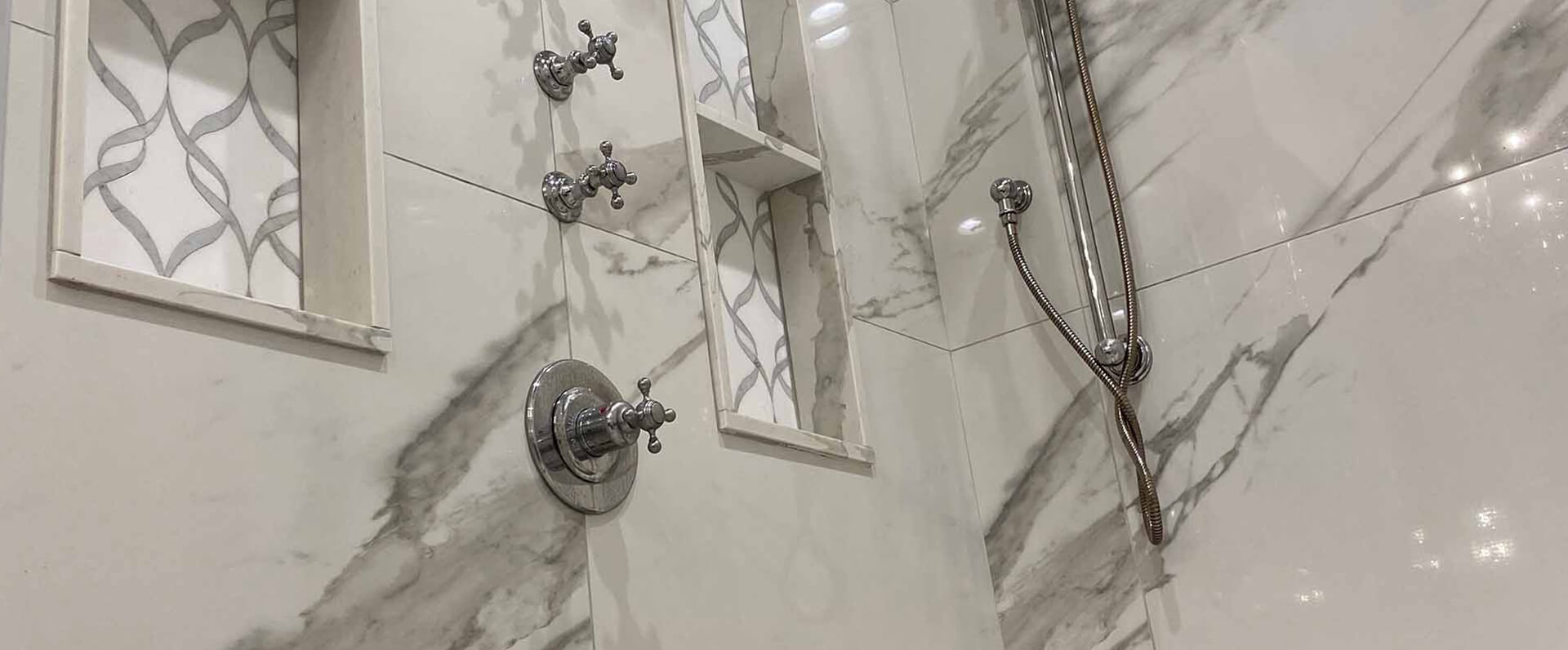
Precision installs large-format tiles measuring 24 inches and larger. Include the tile dimensions, thickness, and site-access information to plan the installation.
Portfolio photographs illustrate visual possibilities. Specific materials and product suitability are confirmed for each project.
Material selection, substrate preparation, layout, and coordination requirements for your tile project.
Material descriptions can be surprisingly broad. “Marble,” “porcelain,” “large tile,” or “mosaic” may describe a category without identifying the product being installed. Exact dimensions, thickness, finish, manufacturer information, and intended application make the conversation more useful.
If the material is selected, share a product link or photograph of the packaging. If several options are under consideration, identify each and explain the difference that matters to you. A visual preference and a final specification are different stages of the process.
The materials on this page are part of a scope review. Suitability, preparation, and installation requirements are reviewed for the specific product and assembly. A photograph alone is not a specification for another project.
Porcelain and ceramic selections can support a wide range of visual directions, from restrained field tiles to expressive decorative surfaces. The effect depends on more than color. Format, proportion, finish, pattern, and grout choices all influence the way the material is read in the room.
Think about the surface beside it. A tile that feels quiet on its own may appear more active beside a strongly patterned counter. A decorative selection may work best when surrounding materials give it room to lead.
Bring the full palette where possible: cabinetry, counters, flooring, hardware, and paint references. This helps connect the tile selection to the interior rather than treating it as an isolated sample.
Precision’s large-format tile service includes tiles measuring 24 inches and larger. The exact format still matters. A rectangular wall tile, a large square floor tile, and a long plank create different layouts and different relationships at the edges of a room.
Include the actual dimensions, thickness, application, and proposed arrangement. Provide the relevant plans and information about site access. The preparation and handling conversation should reflect the selected product rather than a general category label.
Large format can create a broad visual field, but its success is not determined by size alone. The layout, transitions, openings, and surrounding finishes remain central to the design.
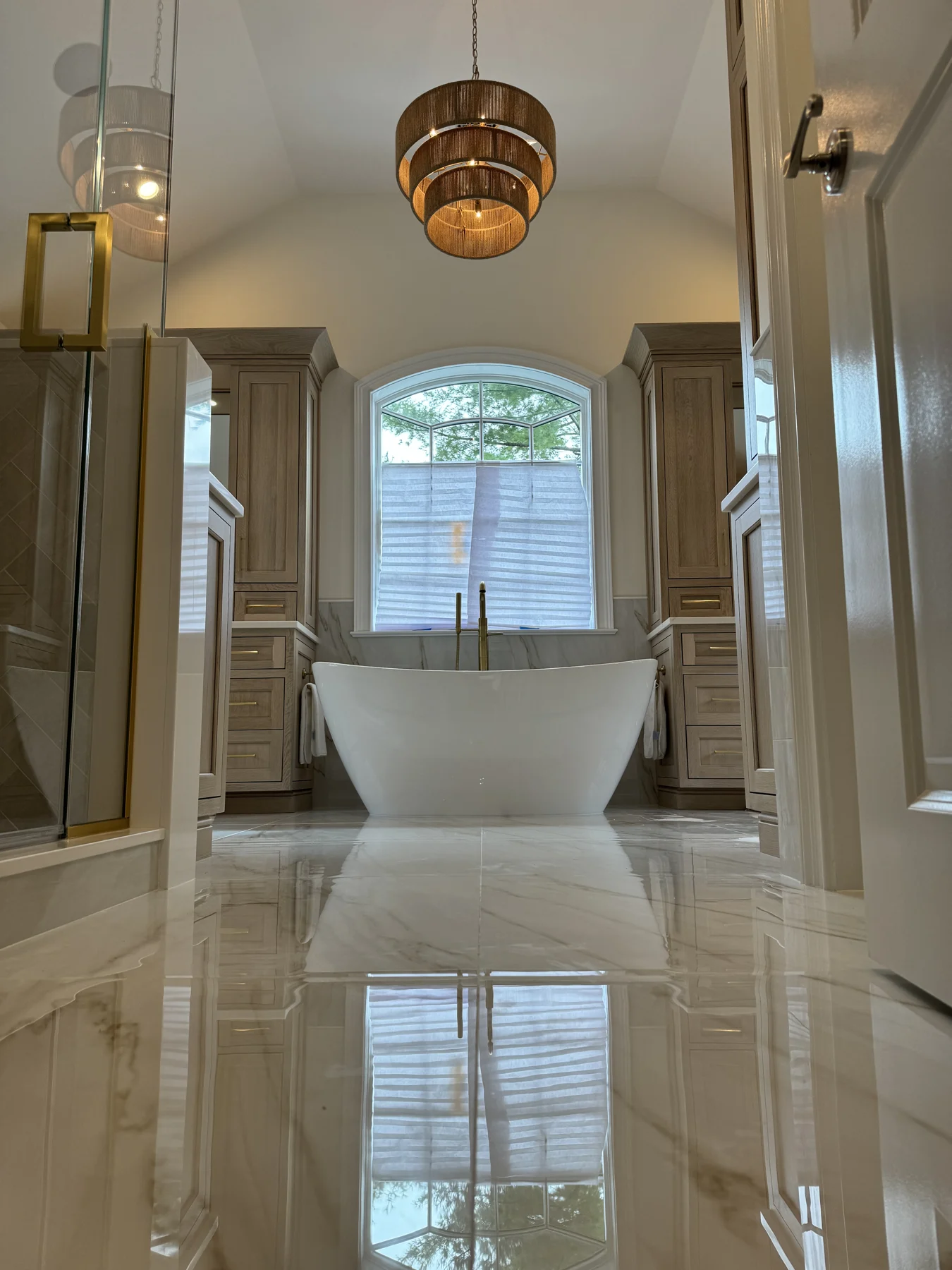
Full marble slabs introduce the character of the selected stone at an architectural scale. Precision installs full marble slabs, with project planning that begins with the actual material, intended application, and the responsibilities already assigned within the project team.
Share slab photographs, dimensions, thickness, supplier information, fabrication status, and drawings. Identify any layout intention involving visible movement or the relationship between pieces. Explain the access route and the person coordinating delivery and handling.
Slab installation, fabrication, templating, transport, and related activities should be clearly distinguished in the scope. The final arrangement should be based on the selected slabs and project information, not an assumption that every reference image can be reproduced with any material.
Smaller pieces and decorative patterns can bring rhythm, texture, or a distinct focal point to a room. They can be used across a larger field or reserved for a particular feature. The relationship to the surrounding materials is part of the decision.
Consider the visible boundaries before finalizing the design. A pattern may meet a corner, outlet, doorway, niche, or cabinet edge in ways that affect its appearance. Provide dimensions and identify the view or alignment that matters most.
If a pattern is selected from a reference photograph, explain what you want to carry into your project. It may be the geometry, the contrast, the scale, or the framed effect. That specificity is more useful than asking for the same look without the original room’s dimensions.
The tile receives much of the attention during selection, but the supporting decisions influence the finished surface. Grout color can make a pattern more prominent or more restrained. An edge detail can frame a feature or allow it to meet the surrounding room quietly.
Discuss these choices with the actual tile and the relevant project information. Include any detail already specified by the designer or architect. If the choice remains open, identify it rather than allowing it to become an assumption.
The final approach must suit the product and assembly. The goal is to connect visual intention with a resolved scope, so the material is considered together with the details that complete it.
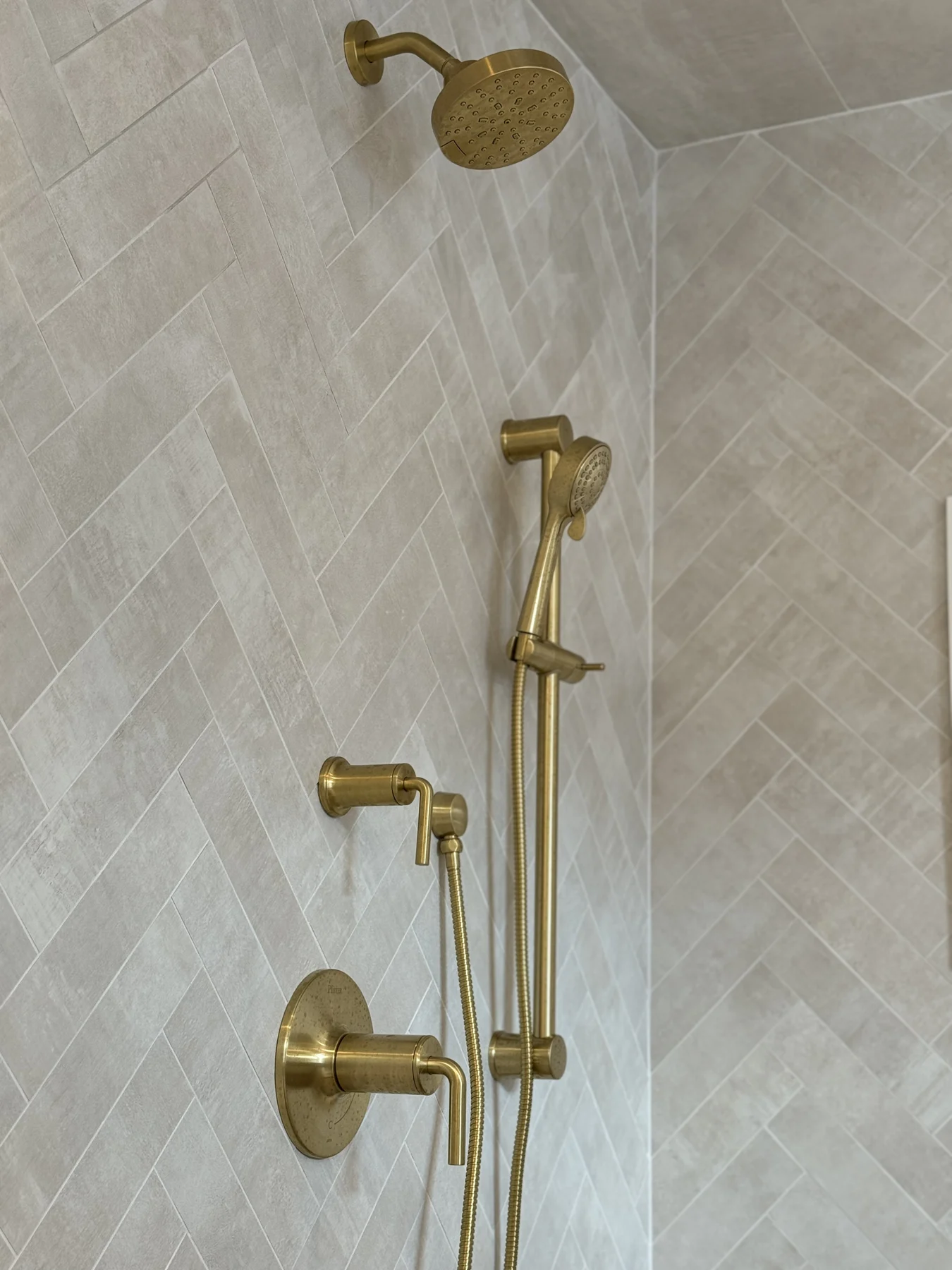
A finished tile work should also make sense for the way the space will be used. Before committing to a material, review the manufacturer or supplier’s care information and consider the household’s expectations for the finished surface.
Do not assume that all materials with a similar appearance have the same care requirements. A marble-look tile and a natural marble slab are different products, even when the visual direction is similar. Product-specific guidance matters.
If you have questions about care, suitability, or the intended application, raise them during selection. The installation inquiry can identify the product and project scope, while the appropriate manufacturer, supplier, or design professional provides the relevant material guidance.